
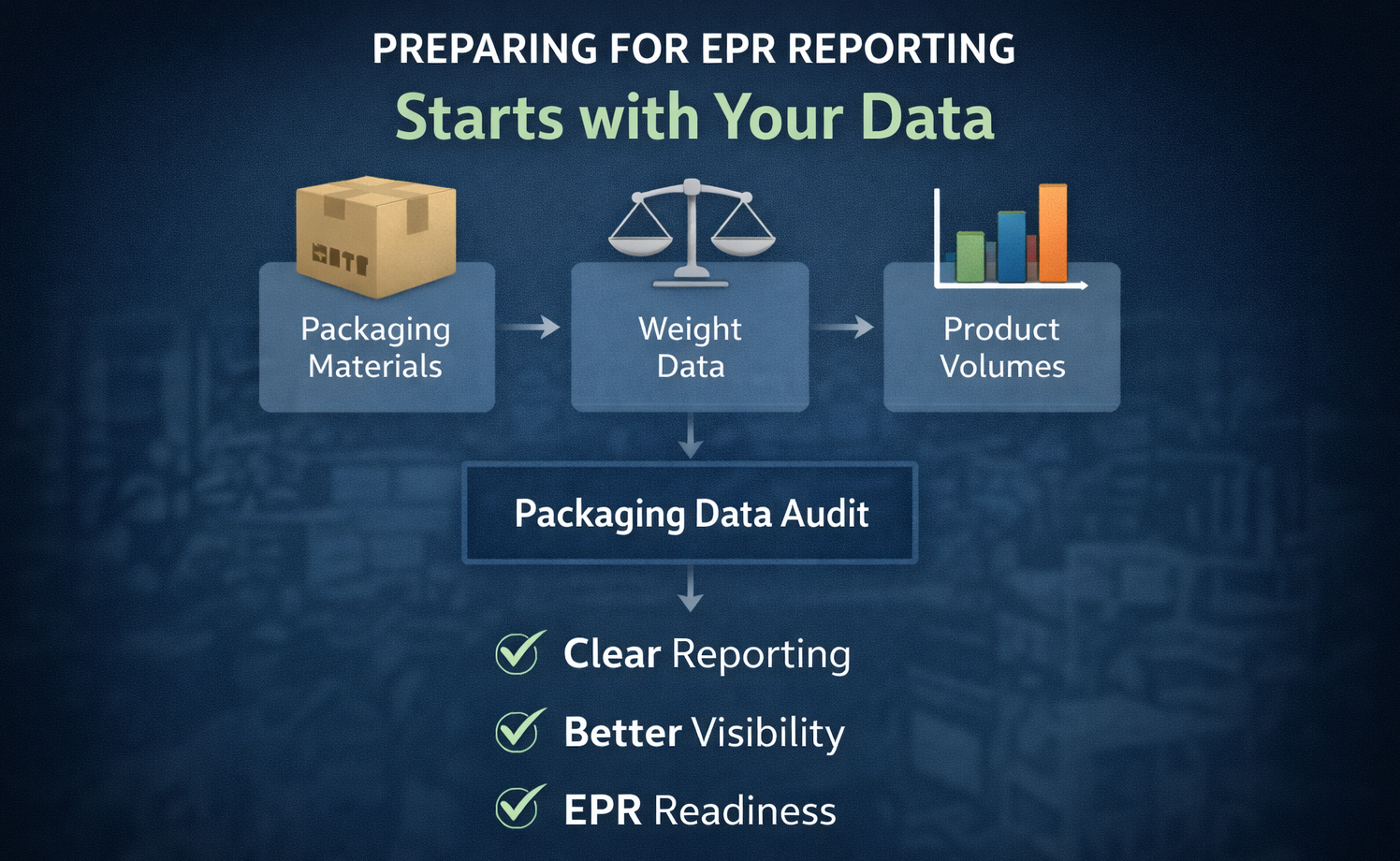
How to Audit Your Packaging Data Before EPR Reporting Starts in 2026
As packaging EPR programs expand, reviewing packaging data early can help organizations prepare for reporting requirements. A structured audit can reveal gaps, improve visibility, and support long-term compliance readiness.
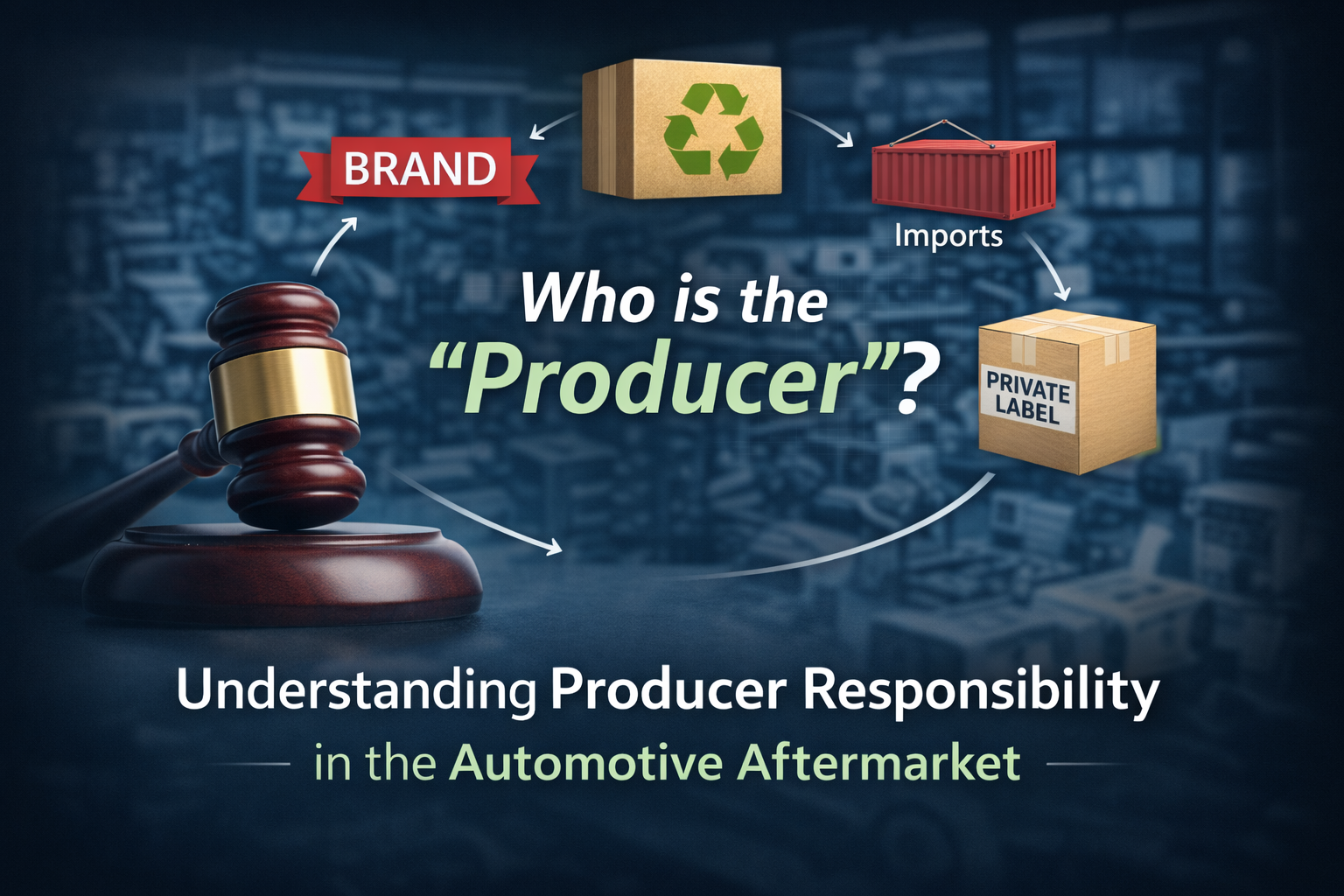
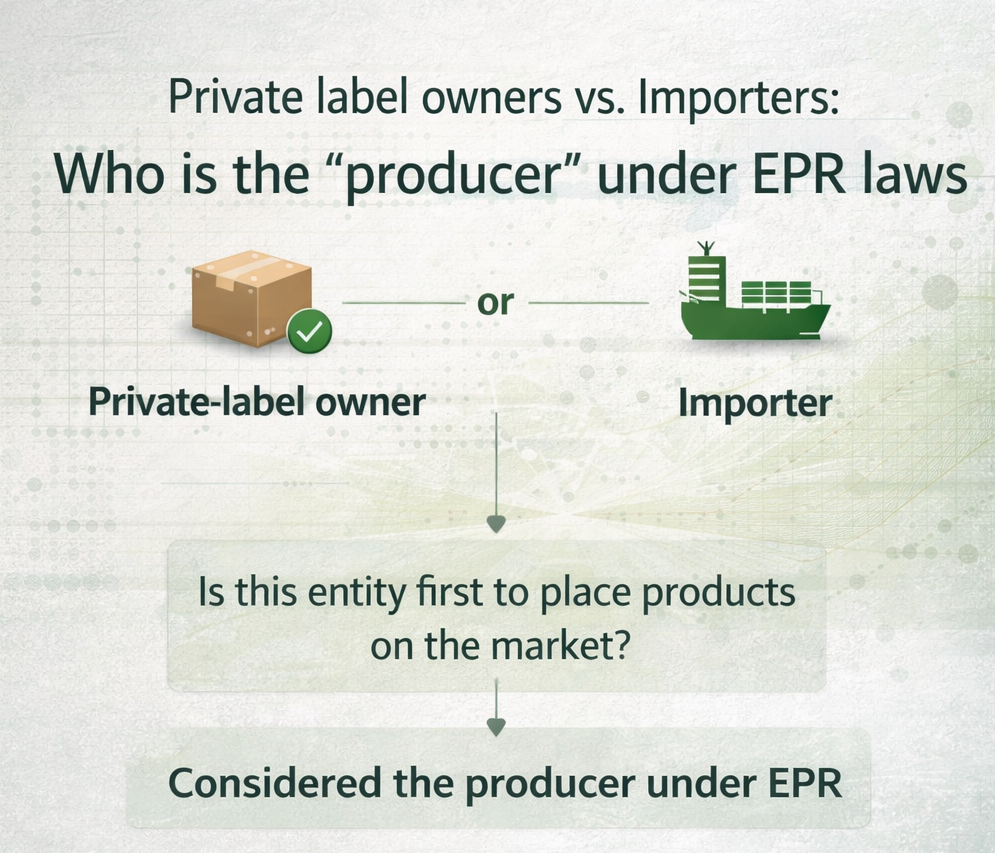
What “Producer Responsibility” Really Means in the Automotive Aftermarket
Understanding who qualifies as the “producer” under packaging EPR is essential for compliance. Learn how producer responsibility applies in the automotive aftermarket.
From Burden to Advantage: Streamlining EPR Compliance
Learn how automotive aftermarket companies can streamline packaging EPR compliance and turn regulatory requirements into structured readiness.
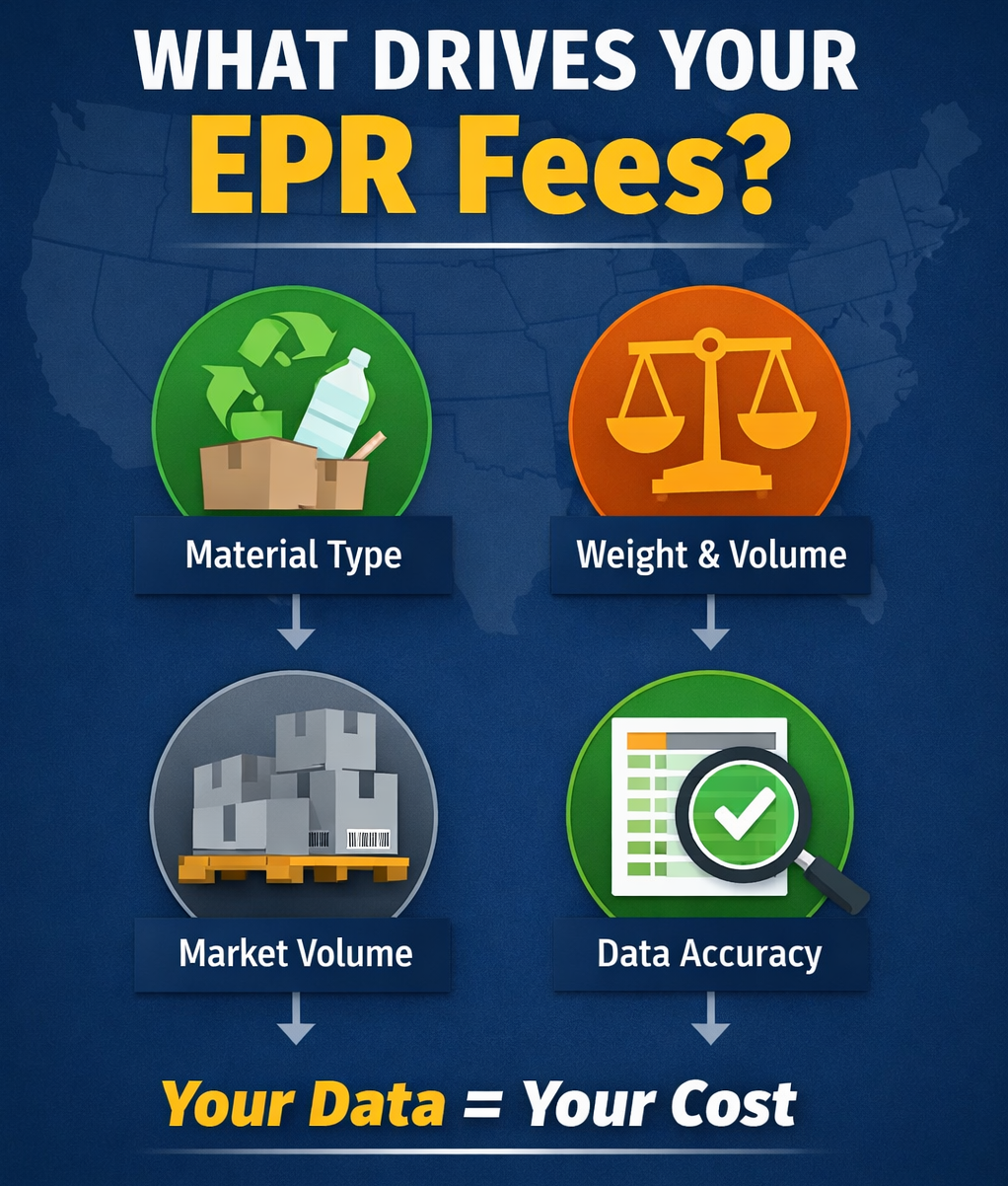
What Every Aftermarket Supplier Should Know About EPR Fees
As packaging EPR programs expand across the U.S., aftermarket suppliers are facing a new reality: EPR fees are becoming a cost structure, not just a compliance requirement. Understanding how materials, weight, and data accuracy influence fee exposure is essential for long-term readiness.
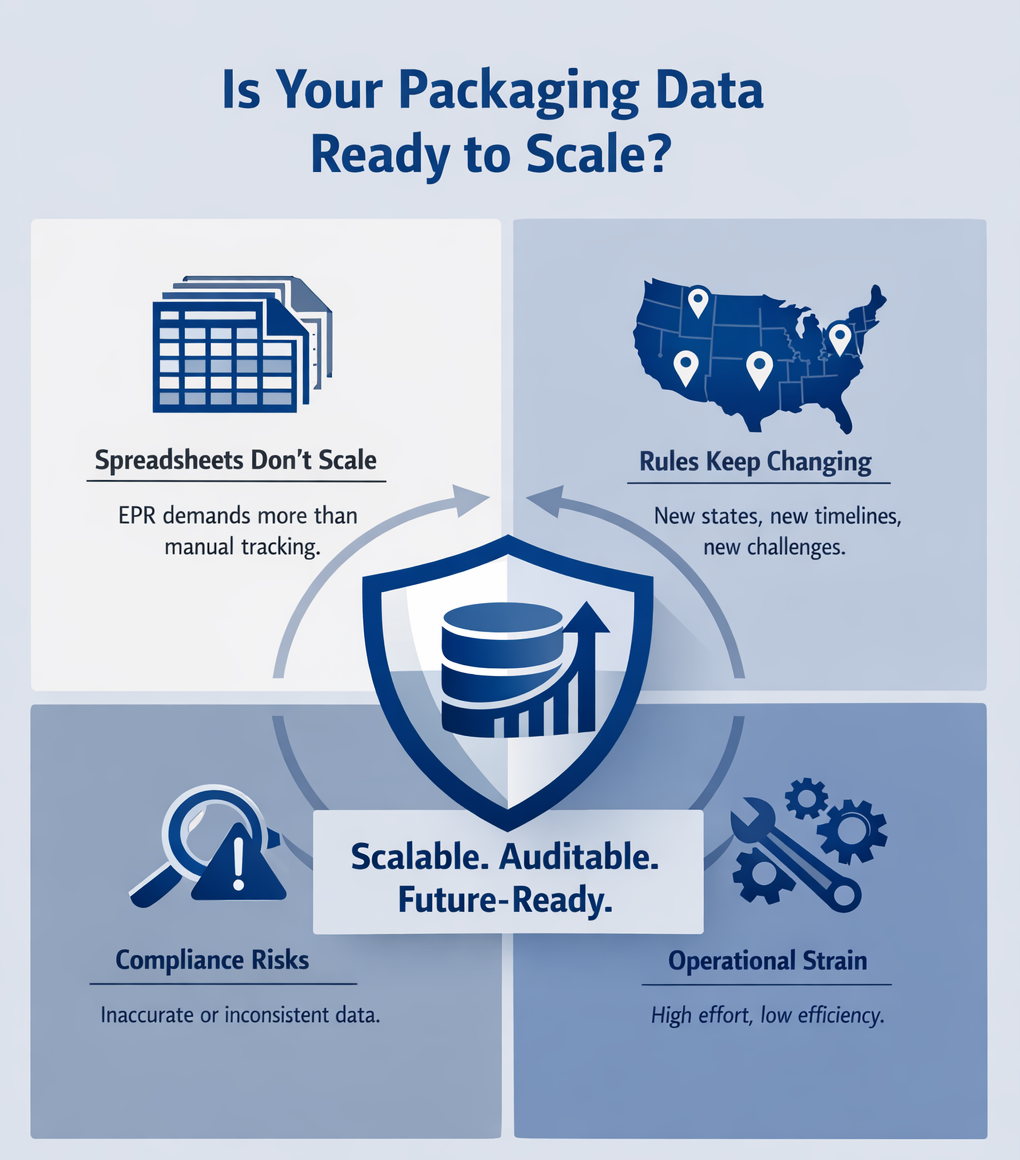
Building a Packaging Data System that Scales
U.S. EPR requirements are growing. Discover why scalable packaging data systems matter and how the right foundation supports confident, compliant reporting.
If you want, I can also:
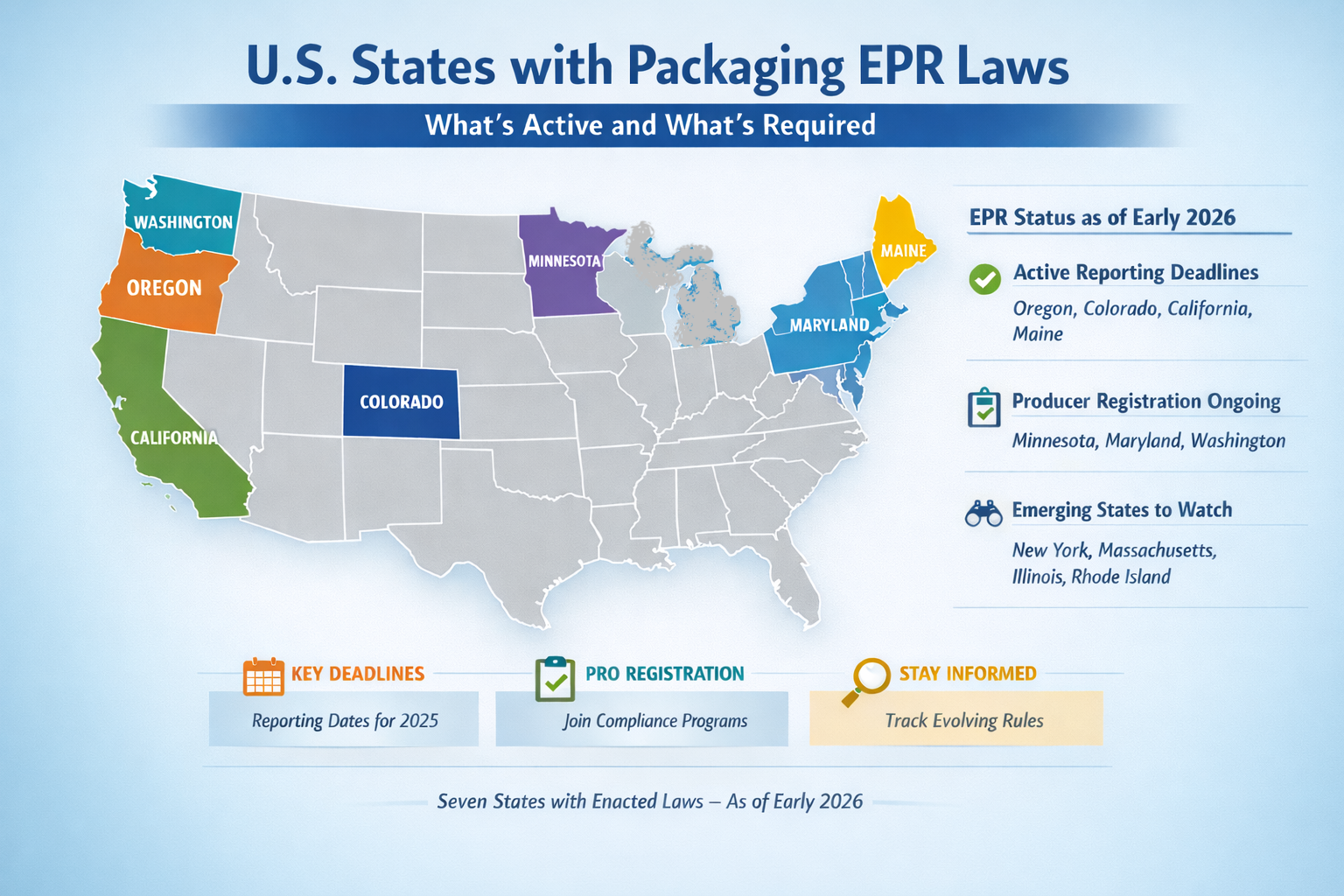
Where U.S. Packaging EPR Laws Are Active and What Reporting or Registration Is Required
Learn which U.S. states have enacted packaging EPR laws, where producer registration is underway, and which states already have active or upcoming reporting requirements. An overview for automotive aftermarket businesses navigating evolving EPR obligations.
What the U.S. Automotive Aftermarket Can Learn from Europe’s Experience with EPR
Extended Producer Responsibility may feel new in the United States, but it has been shaping packaging responsibility across European markets for decades.
As EPR programs continue to develop in the U.S., understanding how European systems evolved offers valuable context for automotive aftermarket businesses navigating emerging requirements. This article explores how long-standing EPR frameworks in Europe clarified responsibility, strengthened packaging data practices, and influenced cost structures over time — and why those lessons matter as U.S. programs continue to take shape.
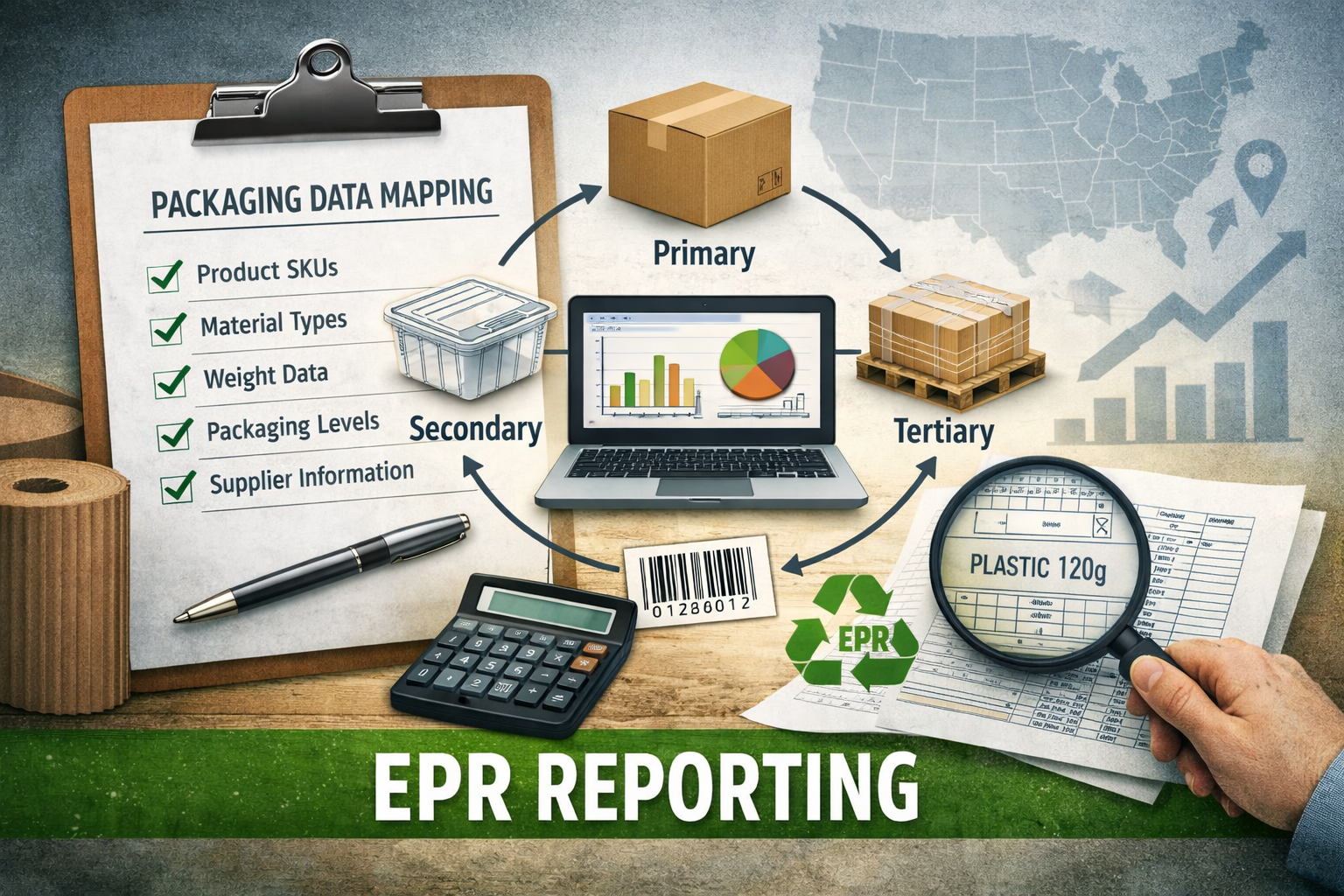
How to Map Packaging Data for EPR Reporting in the Automotive Aftermarket
Packaging data sits at the center of EPR reporting. Learn how automotive aftermarket businesses can begin mapping packaging data, overcome common challenges, and build readiness as EPR requirements continue to evolve.
Discover What Extended Producer Responsibility (EPR) Really Means for Your Business in the Automotive Aftermarket
As Extended Producer Responsibility programs expand across the U.S., automotive aftermarket businesses are facing new questions around packaging responsibility, data, and compliance readiness. Learn what EPR really means for your business and how early understanding can help you prepare for what comes next.

California’s EPR Revolution: What It Means for the Mobility Aftermarket
California’s Extended Producer Responsibility (EPR) laws are setting a new standard for how products and packaging are designed, recycled, and managed at the end of their life. For the mobility aftermarket, these evolving regulations bring both complexity and opportunity. At PARTSLIFE US, we’re committed to helping our industry stay compliant and sustainable—making it easier for businesses to navigate state-specific requirements, reduce waste, and advance toward a greener future.


Why EPR Compliance Can’t Wait—Even Amid Industry Uncertainty
EPR compliance isn’t new—but packaging EPR is about to impact nearly every brand selling automotive aftermarket parts, tools, and products. With deadlines in states like Colorado, Oregon, and California fast approaching, companies need to understand how these laws will reshape their responsibilities.
📅 Want expert insights? Register for the Auto Care Association’s webinar on June 10: Learn More>